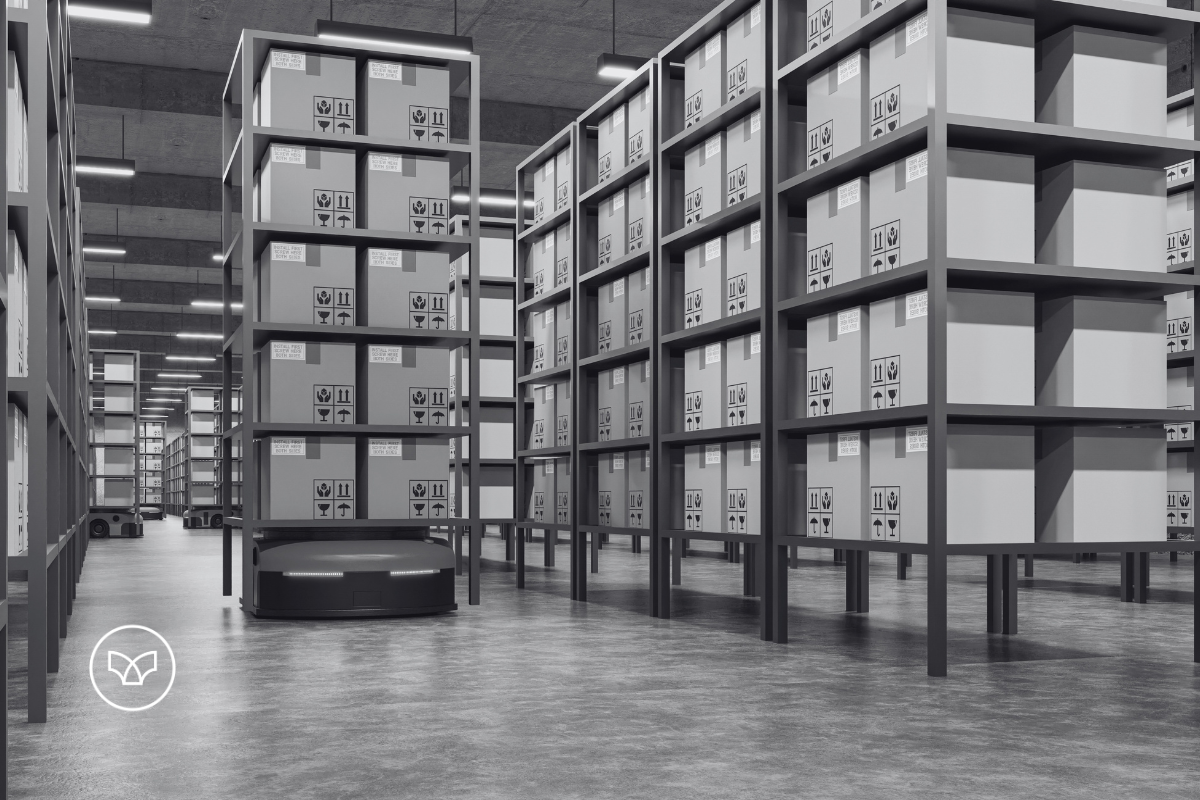

Enterprise 3PLs are investing heavily in robotics, sortation, goods-to-person systems, print automation, and other technologies designed to move more volume with greater consistency. But every new automated asset also increases dependence on the software and connectivity that coordinate the facility.
When the WMS becomes unavailable, the business does not lose only labor productivity. It can lose access to the capacity it already paid to build.
Downtime Turns Automation Into Stranded Capacity
Synergy research found that roughly 90% of respondents consider their automation at least somewhat dependent on the WMS being fully online. Nearly 47% reported that automation assets had idled occasionally or frequently because of software or connectivity issues. At the same time, 85% expect automation density to increase over the next three years.
Those trends compound one another. The more throughput an operation assigns to automation, the less practical manual workarounds become. A short disruption can interrupt sequencing, create queues, delay shipping, and leave both people and equipment waiting for instructions.
Availability Must Be Designed Into the Operating Model
Traditional continuity plans often focus on recovering a central application after an outage. That matters, but recovery alone does not keep work moving during the interruption. A continuity-oriented architecture keeps essential execution at the site, close to scanners, printers, automation, and inventory transactions.
ORCA uses a hybrid model in which site-level WMS services and vendor-agnostic automation adapters continue operating locally. Cloud services enhance network visibility, analytics, releases, and governance, but they do not own the warehouse control path. This limits the chance that one external failure will idle an entire building.
Protect Throughput, Service, and Capital
For business leadership, automation resilience should be evaluated in financial terms. Ask how much productive capacity is exposed to an internet, cloud, or integration outage. Consider the overtime and backlog required to recover, the impact on ship cutoffs, and the risk to client SLAs.
Then ask prospective WMS providers what happens to automation when connectivity is impaired. Can in-flight work finish safely? Do queues preserve state? Can essential workflows continue? How does the system reconcile when connections return? Clear answers reveal whether resilience is part of the architecture or merely part of the sales message.
Make Every Automation Dollar More Dependable
Automation delivers value only when it is available to do the work. A hybrid WMS helps protect that value by reducing external dependencies in the operational control path and giving each site the autonomy to continue through disruption.